Learning to play an instrument is one of the most rewarding journeys a young person can embark on. If your child is constantly humming tunes or tapping out rhythms, you might be wondering: when is the ideal moment to put a bow in their hands? While every student moves at their own unique pace, understanding developmental milestones can help you decide when your child is primed to succeed.
Finding The Best Age To Start Violin
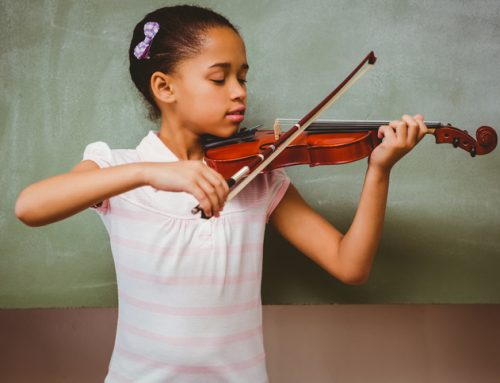
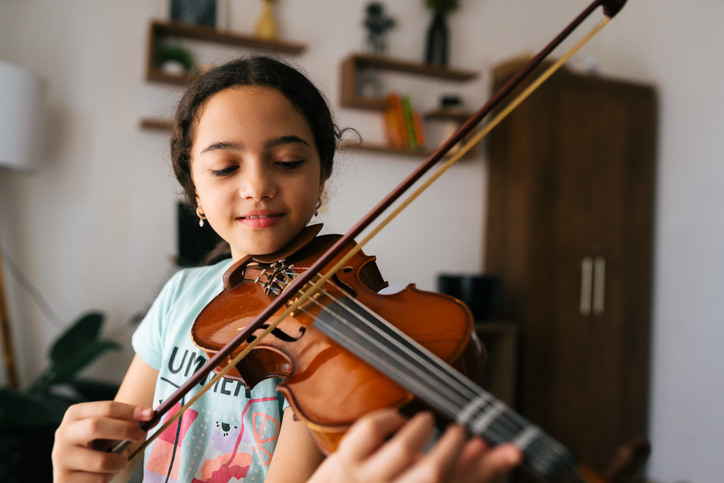
While children as young as 4 or 5 can begin exploring music through structured early-childhood methods like the Suzuki approach, the best age to start violin for most children falls between ages 7 and 9 (typically around 3rd grade).
At this stage, children possess a sweet spot of physical and mental growth:
-
Fine Motor Skills
Their fingers and hands have developed enough dexterity to hold the neck, press down on strings, and draw a balanced bow.
-
Focus and Stamina
They can comfortably engage in 20- to 30-minute practice sessions and follow step-by-step instructions.
-
Reading Ability
Most 3rd graders are already comfortable readers, making the transition to reading sheet music much smoother.
This is precisely why A Gift for Music introduces our core elementary string programs around 3rd grade—giving students a firm foundation when they are developmentally ready to thrive.
Assessing Violin Readiness Beyond Biological Age
Age is just a guideline. True violin readiness depends far more on a child’s individual physical, emotional, and social development. Here are a few signs that your child might be ready to take up the instrument:
-
Demonstrated Interest
Do they express genuine curiosity about string instruments or enjoy listening to music?
-
Basic Coordination
Can they tap a rhythm consistently, identify left from right, and sit or stand attentively for brief periods?
-
Patience and Persistence
Violin requires initial patience before making a full, clear tone. A willingness to try again when something is tricky is a great indicator of success.
Practical Beginner Violin Tips For Success
When starting out, a supportive environment makes all the difference. Here are a few proven beginner violin tips to help your child flourish:
-
Sizing Matters
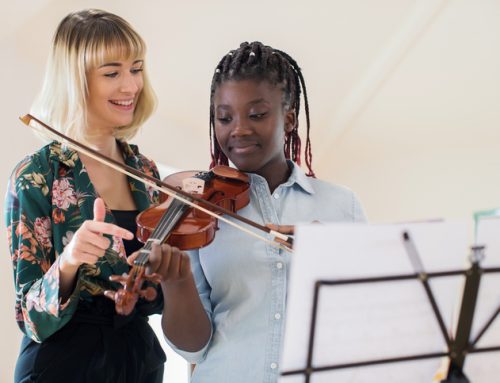
Never buy a full-sized instrument expecting a young beginner to “grow into it.” An incorrectly sized violin can lead to neck strain and bad posture. Instead, work with an instructor to fit a fractional violin (such as 1/4 or 1/2 size).
-
Keep Practice Short and Sweet
Daily 15-minute practice sessions yield far better results than one grueling hour right before a weekly lesson.
-
Celebrate Small Wins
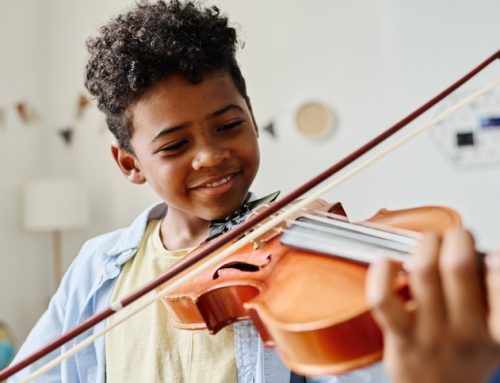
Mastering how to hold the bow properly or playing “Twinkle, Twinkle, Little Star” are major milestones for beginners, so cheer them on!
Witness firsthand how music transforms lives, builds self-confidence, sharpens focus, and opens doors to creative expression at A Gift for Music.
Inclusive And Tuition-Free Kids Violin Lessons
At A Gift for Music, we believe every child deserves the opportunity to discover their potential through music, regardless of their background. High-quality kids violin lessons do more than teach notes—they foster community, build teamwork, and ignite a lifelong love for the arts. Whether your child starts at age 7 or age 12, the gift of music is a journey that will stay with them forever. Get your student started in violin lessons today.