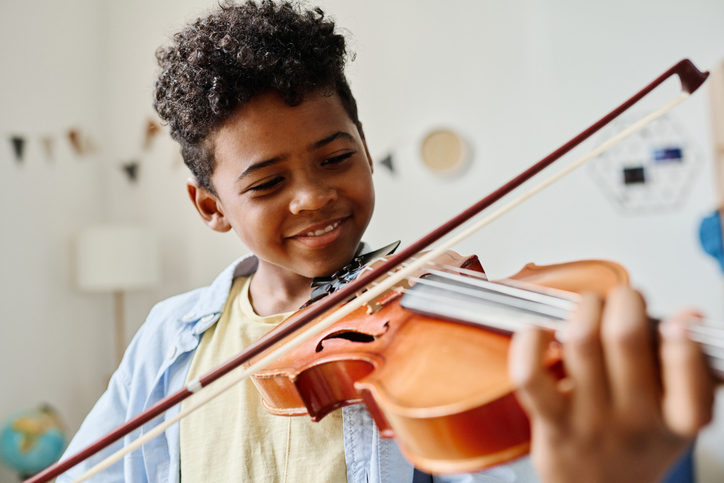
When parents and students begin choosing instruments, the options can feel almost overwhelming. From piano and guitar to drums and woodwinds, every instrument brings its own distinct charm. While all music enriches a child’s life, the process of mastering the violin builds a foundational level of focus, resilience, and personal discipline that lasts a lifetime.
Here are a few reasons why string instruments—and the violin in particular—hold a uniquely transformative place in music education.
The Difference Between A Violin Vs Other Instruments
When comparing a violin vs other instruments, the first thing you notice is the absence of pre-set keys, frets, or buttons. On a piano, pressing a middle C key immediately produces a clear, accurate pitch. On a guitar, frets mark precisely where fingers should land.
The violin, however, demands active engagement from the very first lesson:
-
Pitch Creation
Violinists must train their ears to find exact intonation on a smooth fingerboard without visual markers.
-
Dual-Hand Coordination
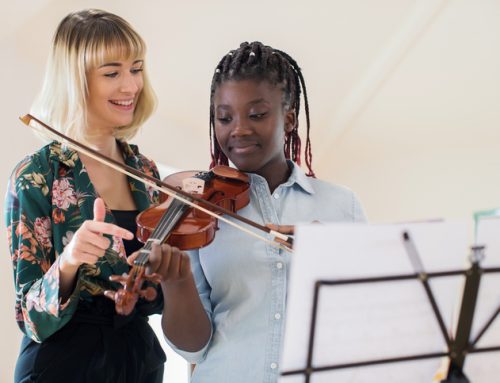
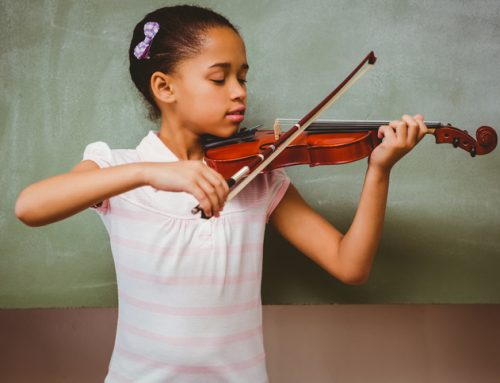
The left hand works with micro-precision to place fingers, while the right arm controls bow pressure, speed, and angle.
-
Tone Control
Producing a smooth, beautiful sound requires balanced posture and steady body control.
This hands-on complexity is precisely why strings are often considered the best instrument for kids who are developing critical thinking, motor control, and listening skills.
Developing Violin Discipline Through String Education
Because producing a clear tone on a string instrument takes time, students naturally develop profound patience and perseverance. We often refer to this process as violin discipline—a positive, rewarding form of mental focus that transforms how young people approach challenges both in and out of the classroom. Such discipline is divided into three stages of growth in string education:
-
Auditory Focus
Listening closely for pitch.
-
Physical Control
Refining posture and bow stroke.
-
Shared Harmony
Playing together in ensemble.
Students learn a powerful life lesson once they realize that consistent 15-minute daily practice can turn their scratchy initial sounds into sweeping melodies: effort directly leads to progress. In other words, practice makes perfect. This mindset spills into schoolwork, sports, and personal goals, giving students the confidence that they can master difficult tasks through dedication.
The Shared Joy Of String Ensemble Playing
While individual discipline is crucial, string instruments truly shine in group settings. Playing in a string orchestra teaches young musicians how to listen actively to those around them, blend their sound, and follow a conductor’s cue. This balance of individual effort and teamwork creates a strong sense of community and belonging.
Choosing The Best Instrument For Kids
At A Gift for Music, we see daily how learning a string instrument empowers youth to reach their full personal potential. That’s why our mission is to ensure every child has access to life-changing opportunities through tuition-free string education. By putting instruments into the hands of Orlando’s youth, we aren’t just teaching notes—we are nurturing confident, disciplined, and creative leaders for tomorrow. Get your student started in violin lessons today.